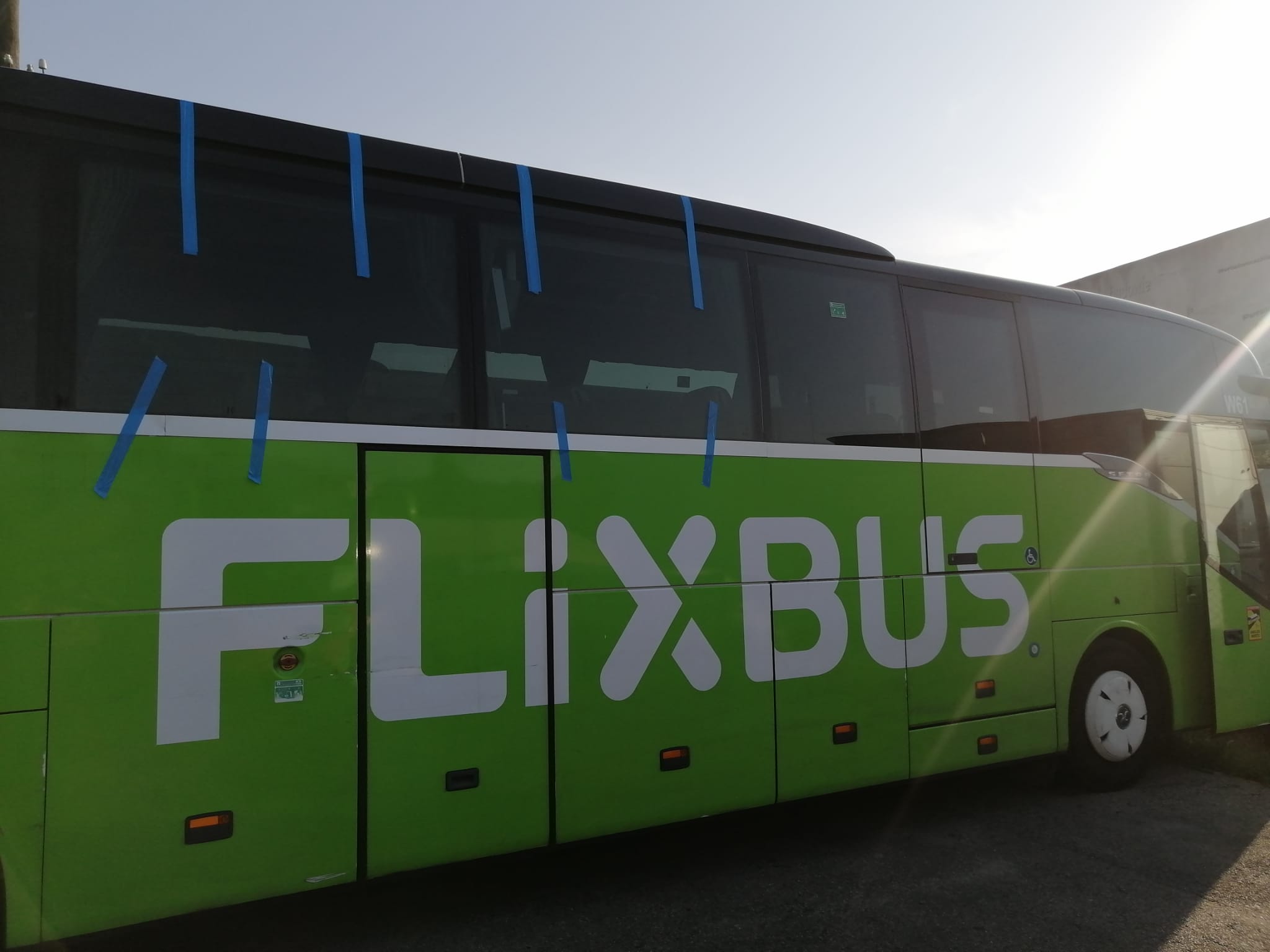
Lead photograph: coach side glazing, shown as operational context for the regulation explainer. Photo: publisher’s archive.
A proposal to amend a technical regulation can look like an immediate change in law when viewed through a search result or social-media post. For companies fitting replacement glass, that misunderstanding can lead to unnecessary alarm—or, in the opposite direction, to a failure to notice a meaningful future requirement.
In 2026, the United Nations Economic Commission for Europe published working documents for the Working Party on General Safety Provisions (GRSG) relating to UN Regulation No. 43 on safety glazing. These documents are significant because they show the international technical process in motion. Their appearance does not, by itself, prove that a new requirement has already entered into force.
What was published
UNECE’s materials for the GRSG sessions include a Netherlands proposal concerning a supplement to the 01 series of amendments to Regulation No. 43, alongside a CLEPA proposal described as a corrigendum. The published agendas and working-paper listings provide document identifiers and language versions, enabling interested parties to inspect the original submissions.
A proposal, a corrigendum, an adopted amendment and a nationally applicable legal requirement are not interchangeable terms. The procedural stage needs to be established from formal decisions and the relevant entry-into-force information. Technical organisations should never change compliance statements solely because a working document appears online.
Why glazing is a distinct safety category
Unlike many interior trim parts, bus windows and windscreens have direct safety functions. Glazing can affect a driver’s field of vision, the retention or fragmentation characteristics of a pane, and passengers’ protection in an incident. Its approval characteristics also interact with vehicle design and the intended position of the glass.
For aftermarket distributors, the practical issue is traceability. A part number must connect to a verified type of glazing, its approved application and the correct vehicle variant. Where a supplier proposes an equivalent component, a clear evidence trail is essential. Visual similarity or matching external dimensions alone is not a sufficient certification method.

A compliance workflow for operators and installers
Fleet teams can ask a few disciplined questions before authorising replacement: What exact window position is affected? Which vehicle version and registration details are recorded? Is the proposed glass accompanied by the necessary markings and documentation? Is the planned installation consistent with the vehicle manufacturer’s instructions?
The workshop should also record the product fitted and relevant installation materials. When a specification cannot be independently established, the safe response is to defer confirmation until reliable documentation is available. Cross-border work adds another layer: technical rules, approval pathways and roadworthiness requirements may not be identical in every operating context.
How to monitor the regulatory process accurately
We recommend following the UNECE session pages, adopted-text registers and formal notices rather than relying solely on second-hand headlines. An internal register can capture the date, document code, topic, procedural status and the person responsible for reviewing its commercial implications. A regular review is more effective than reacting to isolated social posts.
For suppliers working in several European countries, this also creates a record of why a product policy changed. It can distinguish a mandatory technical update from a precautionary commercial decision, or a change in a specific customer’s procurement requirements.
What the 2026 documents mean today
They are evidence that safety-glazing provisions continue to be discussed and refined at international level. They do not allow this article to state that a given windshield is newly prohibited, that an adhesive system must change, or that a particular proposal has already become binding. Those claims require examination of the adopted legal texts and applicable dates.
Our editorial conclusion is straightforward: build a documentation habit now. Strong identification, approved-component records and traceable installation processes help a bus fleet whether the current proposal is eventually adopted, amended or withdrawn.
Sources
- UNECE — GRSG 131st session and working documents (April 2026)
- UNECE — GRSG 132nd session and documents (September–October 2026)
- UNECE — CLEPA proposal for corrigendum to UN Regulation No. 43 (July 2026)
Related practical guide: Bus windscreen damage: assessment, repair or replacement.
Editorial note: this analysis examines working documents from the 2026 WP.29/GRSG sessions. Proposals are distinguished from requirements already in force.