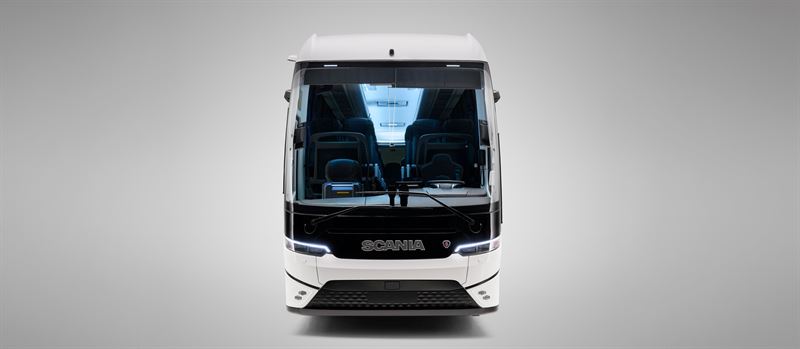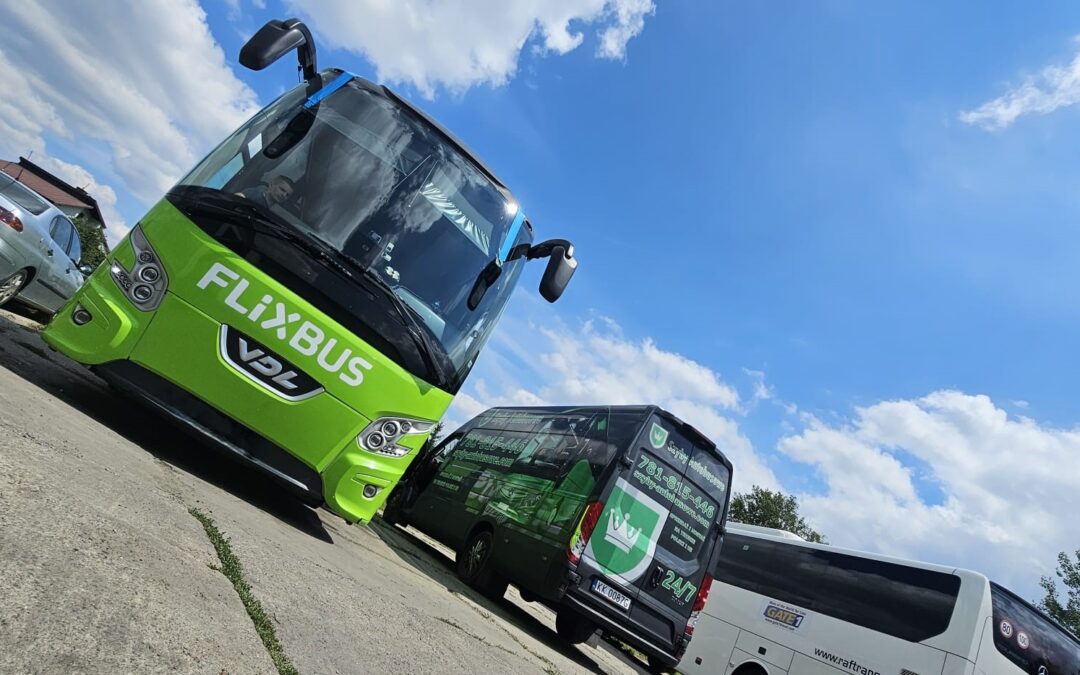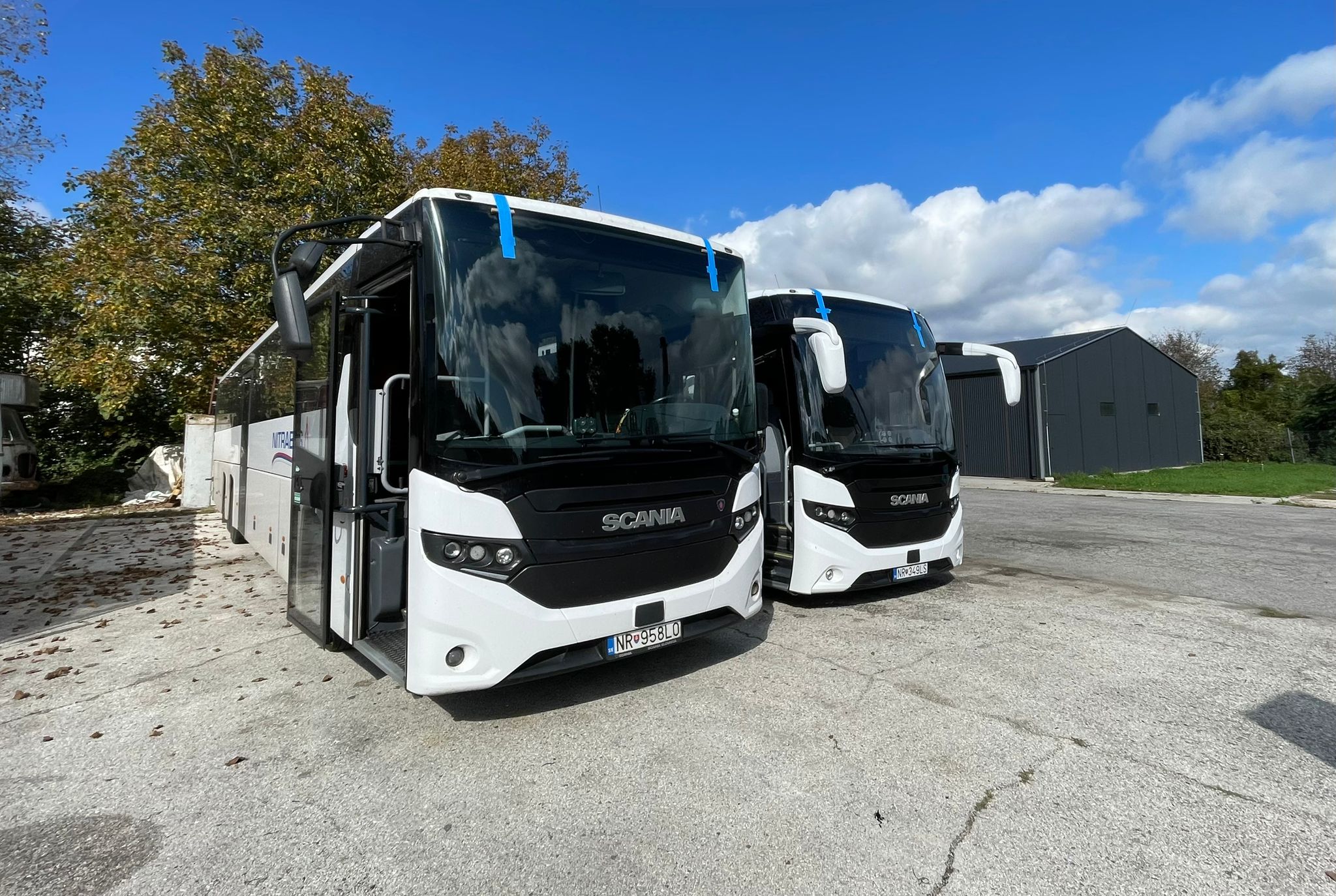
Lead photograph: coach windscreens during a service visit. Photo: publisher’s archive.
Maintenance explainer. A chip on a bus windscreen can look minor from the depot yard, but the repair decision involves much more than the size of the mark. Position, visibility, glass construction, the vehicle’s approved specification and the extent of the damage all matter. A reliable operator should avoid making that decision from a low-resolution photograph or a generic repair claim.
This guide sets out the questions worth asking before choosing repair, specialist assessment or replacement. It is not a universal permission to repair glazing in any vehicle or jurisdiction; the applicable rules and the manufacturer’s procedures remain decisive.
Why passenger-car rules cannot simply be copied to a coach
Bus and coach windscreens may be much larger than passenger-car screens, with different curvature, glass constructions, installation arrangements and visual requirements. In addition, coaches and city buses can contain separate front upper and lower panes, driver side glazing and small triangular panels. An instruction written for a typical private car may not identify the correct component or the safe intervention for a particular commercial vehicle.
Legal requirements for safety glazing are not based solely on the vehicle looking similar. UN Regulation No. 43 establishes approval provisions for safety-glazing materials and their installation in defined vehicle categories. Its annexes distinguish windscreen types, pane materials and relevant testing requirements. Local roadworthiness and inspection requirements also need to be considered when judging whether a damaged pane remains suitable for service.
Start with a damage assessment, not a sales promise
A technician needs a clear understanding of where damage sits, the type of defect and the condition of the surrounding glass. A small point impact may be very different from a spreading crack, delamination, edge damage or a defect that interferes with the driver’s view. Multiple defects can also change the assessment.
Good intake photographs show the entire windscreen, a closer image of the affected zone and, where useful, how it relates to the driver’s seating position. That allows a preliminary discussion but cannot replace an examination when important details remain unclear. Artificial light, reflections and tinted areas can make photographs misleading.
Neither an internet search result nor a generic diagram should be treated as proof that a repair is legal, reliable or appropriate. If a defect’s extent cannot be established, an in-person technical inspection may be the only responsible recommendation.
What a repair may be intended to achieve
Glass repair methods seek to stabilise certain localised forms of damage and improve the appearance of the affected area. Whether a method is suitable depends on the pane and defect, plus the relevant safety and roadworthiness requirements. A cosmetic improvement is not the same as restoring every original characteristic of an approved glazing assembly.
Operators should ask a provider which types of damage its process is designed to treat, what exclusions apply, how the result is assessed and what warranty or inspection information will be supplied. The answer should be specific rather than a blanket promise that any chip or scratch can be removed.
Polishing, resin repair and replacement are different interventions. In particular, aggressive treatment of a driver’s viewing area can raise optical-distortion or approval concerns. A proposal to polish safety glazing requires evidence that the method is appropriate for the particular application, not only that a surface can be made to look clearer.
Situations that justify more caution
Damage that affects visibility, is difficult to classify, continues to spread, reaches an edge or involves a complex layered assembly should be escalated for competent assessment. The same applies when a vehicle has integrated optical or electronic systems near the affected glass. Decisions about continued operation belong within the applicable legal, manufacturer and professional framework.
If replacement is selected, the job still requires the correct pane. Curvature, dimensions, heating, sensor provision, tint and the vehicle generation must be checked. There is little value in concluding that a pane cannot safely remain in service if the replacement delivered to the workshop does not fit.
Why bonding and return-to-service time matter
For bonded glass, the installation itself is a safety-relevant process. Preparation, the specified adhesive, ambient conditions and curing behaviour can affect when a vehicle is ready to move. Product literature may refer to a minimum or safe drive-away time, but the basis for that value needs to be understood.
Sika’s public guidance makes an important distinction: test information often referenced for automotive glass installation under FMVSS 212 has a defined vehicle-mass scope, including buses of 4,500 kg or less. That means the time presented for a passenger car must not automatically be applied to a full-size coach. For a large bus, the installer should determine the appropriate release procedure from the specific vehicle and adhesive documentation, not copy a standard duration from an unrelated chart.
A record that helps the next technician
Whether the pane is repaired or replaced, a written outcome is valuable. The operator’s file can include the vehicle VIN and fleet number, the glass position, before-and-after photographs, the method used, the product identifiers where relevant and the date of work. Any instructions for returning the bus to operation should be recorded in a form available to dispatch and workshop staff.
A fleet database can also distinguish “inspection recommended”, “repair carried out” and “glass replaced”, rather than storing every event as a generic repair task. That distinction makes later maintenance records more trustworthy and helps a second contractor understand what work was previously done.
Decision checklist for fleet operators
Before approving repair or replacement, ask:
- What exactly is damaged: the screen, a passenger pane, driver window or another panel?
- Where is the defect relative to the driver’s field of vision, edges and any equipment?
- Has the actual type and extent of damage been inspected by a competent person?
- Does the proposed repair meet the applicable requirements for this glazing position and vehicle?
- If replacement is needed, how was the exact part verified?
- Which installation instructions apply, and how will the bus be released back into service?
- What written evidence, product details and photographs will be retained?
The right commercial outcome is not always the cheapest intervention. It is the option supported by the vehicle’s configuration, the damage assessment and a defensible safety process.
Sources and technical references
- UNECE WP.29 — Regulation No. 43 and current revisions (check the latest applicable text)
- EUR-Lex — Regulation No. 43 (historical published text, 2014)
- Sika — Minimum Drive-Away Time: test scope and product conditions
Editorial note: general guidance for fleet operators, not a determination that any particular glass defect can be legally or safely repaired. Seek vehicle-specific technical and regulatory advice.