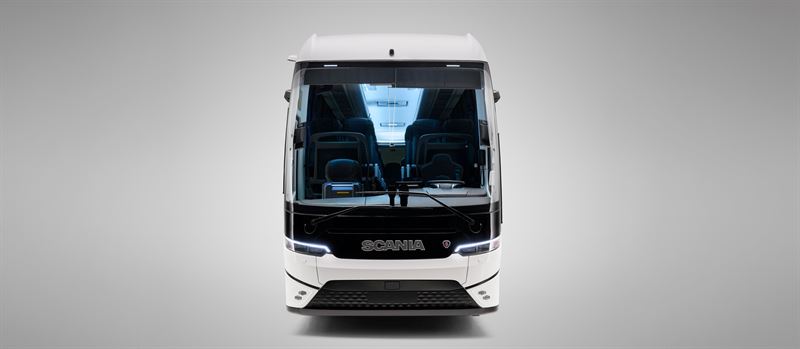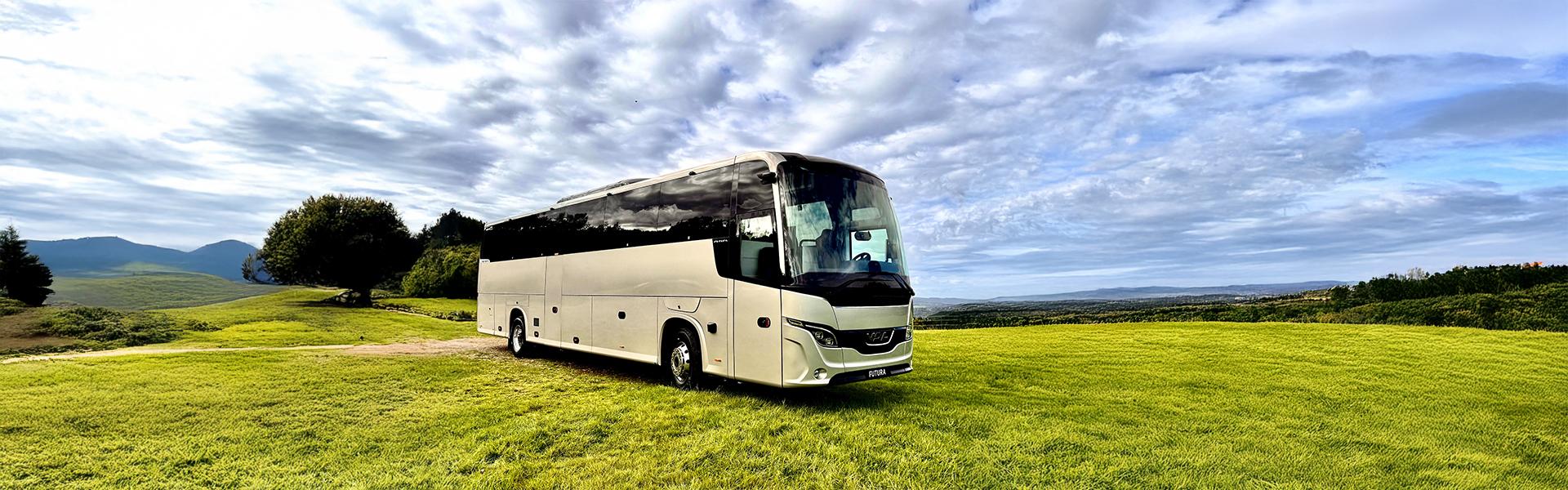
Lead photograph: exterior view from the VDL Futura 3 product presentation. Photo: VDL Bus & Coach.
When a new coach is launched, attention usually goes to fuel efficiency, passenger comfort and driver assistance. A change in the windscreen can seem like a minor styling decision. For the glazing aftermarket, however, a different glass shape can be one of the most consequential parts of a model transition.
In September 2025, Busworld reported that the new VDL Bus Group would present the third-generation VDL Futura at Busworld Europe. Its preview specifically highlighted a curved, convex windscreen, described as part of an aerodynamic redesign. That gives fleet operators and independent glass specialists a useful case study in why new body generations deserve their own parts records.
A genuinely new front-end design
The report described VDL Futura 3 as the third generation of the coach and linked its debut to the consolidation of VDL Bus & Coach and VDL Van Hool in the VDL Bus Group. The change at the front was not merely a new badge: the source identified the convex windscreen as a notable feature compared with the earlier Futura.
The manufacturer had provided a preview of the new coach concept two years earlier. The public launch therefore followed a development period in which the final geometry, supplier arrangements and service documentation would need to be defined. None of those details should be guessed from photographs of a show vehicle.
Why replacement-glass identification becomes harder
A glazing catalogue must distinguish between a vehicle’s commercial name and the actual window configuration fitted to a particular chassis. A replacement windscreen needs the correct outline, curvature, thickness, optical properties and fitting arrangement. Even two coaches bearing the same model family name may not share a directly interchangeable screen.
That is especially important near the introduction of a new generation. Older fleet records, historical cross-reference lists or a supplier’s familiar part description can create false confidence. The professional answer is to request the VIN, compare the vehicle’s body generation and use a clear photograph of the damaged panel. If an OEM reference or glass marking is available, it should be checked against the actual vehicle rather than assumed to transfer from Futura 2 to Futura 3.
Aerodynamics and serviceability are connected
Curved glazing can contribute to an aerodynamic shape and an integrated exterior appearance. It can also place more demanding requirements on replacement logistics: a large shaped panel has to be transported without point loading, stored securely and installed without compromising the bonding system. Those are practical considerations, not claims that the Futura 3 uses any particular adhesive or packaging method.
Windshield replacement planning should therefore start before a breakdown occurs. For an operator considering a newly launched coach, useful questions include whether genuine and approved alternative glass is available, which body variants are covered, and whether a workshop has an appropriate installation environment. A fleet inventory created when vehicles arrive can reduce uncertainty later.
What fleets should record now
We recommend a simple glazing record for every vehicle generation: registration and VIN, model designation, front and side glass positions, any OEM numbers actually observed, date of installation, the supplier and photographs of the fitted components. Optional details include heating, sensors and optical features, but only where confirmed on the vehicle or in technical documentation.
This information can support faster quotation, spare-part sourcing and communication with mobile repair teams. It also helps prevent the expensive mistake of shipping a visually similar but incorrect windscreen across several countries. A good fleet record is less glamorous than a launch photograph, yet it can be more valuable during an unplanned roadside incident.
The broader takeaway
The VDL Futura 3 illustrates a pattern: as coaches evolve, glass identification must evolve with them. Vehicle manufacturers have good reasons to redesign bodywork; the aftermarket needs reliable technical data before it promises a match. For operators, the sensible priority is to build traceable vehicle records and ask suppliers how new generations are represented in their catalogues.
Specifications and interchangeability for any individual Futura 3 glass item should be confirmed with VDL or an authorised data source. This article is an editorial interpretation of the announced design, not a claim of stock availability or component compatibility.
Sources
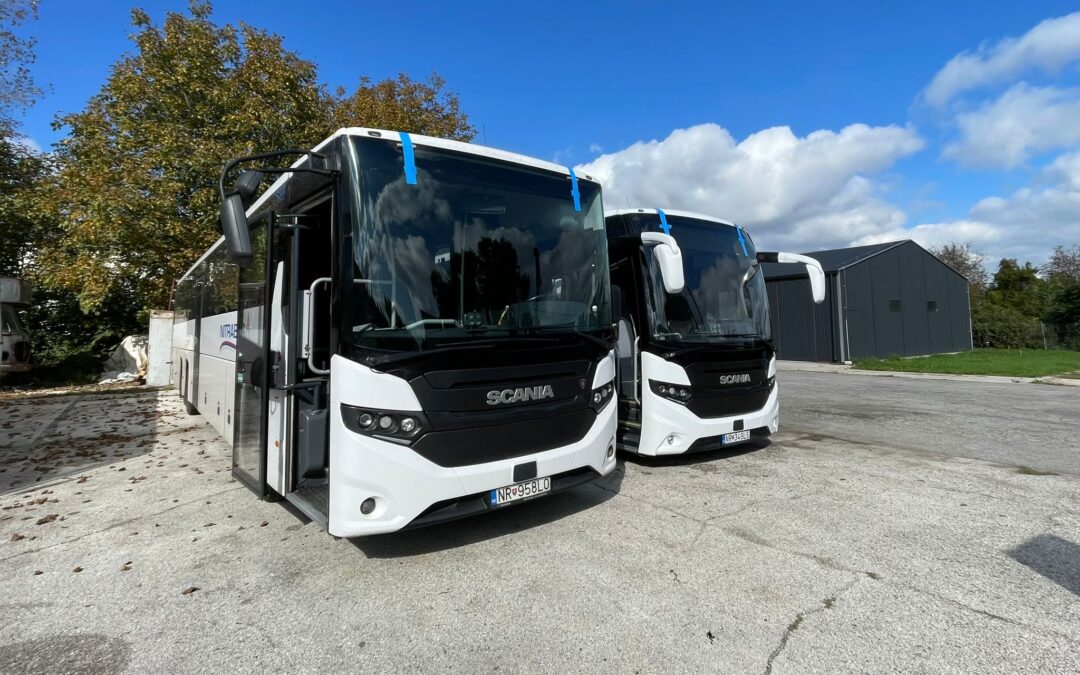
Related reading: Scania Touring: another generation-specific glazing identification checkpoint.
Editorial note: this retrospective analysis examines the announcement of 11 September 2025.